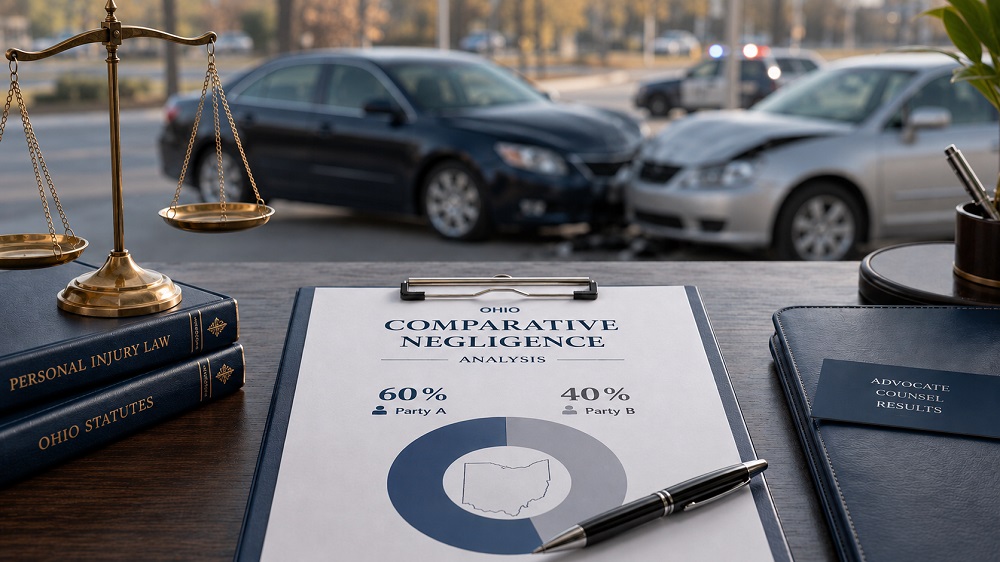
When an accident occurs resulting in personal injury, the path to obtaining fair compensation is rarely straightforward. While many victims assume that the party who caused the accident is solely responsible for all damages, the legal reality is often much more nuanced. In many states, legal systems apply a doctrine known as comparative negligence. This principle serves to allocate fault among all parties involved in an incident. Understanding how this doctrine functions is critical, as it can significantly impact the final settlement or court award that an injured person receives.
Defining Comparative Negligence
At its core, comparative negligence is a legal standard used to determine the degree of fault for each party involved in an accident. Unlike the archaic and harsh doctrine of contributory negligence—which could bar a plaintiff from recovering any damages if they were found even one percent at fault—comparative negligence allows for a more equitable distribution of responsibility.
Under a comparative negligence system, the court or insurance adjuster evaluates the evidence to determine the percentage of fault attributable to each person involved. If a victim is found to have contributed to their own injuries, their total compensation is reduced by that percentage. For example, if a jury awards a plaintiff 100,000 dollars in damages but determines the plaintiff was 20 percent at fault for the accident, the final payout will be reduced by 20,000 dollars, leaving the victim with 80,000 dollars.
Types of Comparative Negligence Systems
It is important to note that the application of comparative negligence varies by jurisdiction. States typically follow one of two primary models, and knowing which one applies to your case is essential for understanding your financial outlook.
-
Pure Comparative Negligence: In states that follow this model, a plaintiff can recover damages even if they are primarily responsible for the accident. For instance, if a victim is found to be 90 percent at fault, they may still be eligible to recover the remaining 10 percent of their damages from the other party.
-
Modified Comparative Negligence: Most states utilize a modified system. Under this framework, there is a threshold for recovery. Usually, if a plaintiff is 50 percent or 51 percent at fault, they are barred from recovering any damages at all. This threshold serves to prevent individuals who are mostly responsible for their own misfortune from seeking compensation from others.
How Fault Is Determined in Injury Cases
Determining fault is rarely a precise science. It involves a rigorous review of evidence, witness testimony, police reports, and expert analysis. Insurance adjusters and legal professionals consider several factors when assigning percentages of blame.
The Role of Evidence
Objective evidence is the foundation of any fault determination. This includes traffic camera footage, surveillance videos from businesses, photographs of the accident scene, and skid marks on the road. In complex cases, such as those involving commercial trucking or product liability, experts in accident reconstruction may be brought in to simulate the event and calculate how different variables contributed to the outcome.
Witness Testimony
The accounts of bystanders can play a major role in establishing fault. However, human memory is fallible, and witnesses often provide conflicting reports. Attorneys must vet these statements carefully, as a single credible witness can often tip the scales in a negotiation or trial.
The Influence of Safety Regulations
Violation of safety statutes often leads to an automatic assessment of negligence. For instance, if a driver was speeding or a property owner failed to adhere to building codes regarding stairwell lighting, these facts will be heavily weighted during the determination of comparative fault.
Impact on Settlement Negotiations
Comparative negligence is one of the most powerful tools in an insurance adjuster’s arsenal. When an adjuster suspects that a claimant bears some responsibility for an incident, they will aggressively highlight those facts to drive down the value of the claim.
During settlement talks, the defense will often initiate a strategy of shifting blame. They may argue that you were distracted, failed to maintain a proper lookout, or did not follow safety protocols. By establishing even a small percentage of fault on your part, the insurance company saves money. This is why it is vital for claimants to avoid making statements to insurers before consulting with legal counsel. A casual comment—such as admitting you were distracted for a split second or that you should have been more careful—can be used as evidence to apply the comparative negligence rule against you.
Strategies to Protect Your Compensation
Mitigating the impact of comparative negligence requires a proactive and cautious approach. While you cannot change the facts of how an accident occurred, you can control how those facts are presented.
-
Seek Immediate Professional Advice: Never provide a recorded statement to an insurance company without a lawyer present. They are trained to extract admissions that can be used to label you as partially at fault.
-
Document Everything: Gather as much evidence as possible immediately following the accident. This includes photos, contact information for witnesses, and detailed notes on the conditions surrounding the incident.
-
Follow Medical Advice: A common defense tactic is to argue that a plaintiff failed to mitigate their damages by ignoring doctor orders or skipping physical therapy. Following your treatment plan demonstrates that you are taking responsibility for your recovery and reduces the likelihood that the defense can claim your injuries were exacerbated by your own inaction.
-
Maintain Professionalism: Avoid social media posts or public discussions about the accident. Comments made in anger or frustration can be twisted by defense lawyers to imply poor judgment, which can inadvertently influence perceptions of fault.
The Importance of Legal Advocacy
Because comparative negligence can result in a significant reduction of your final award, having an experienced attorney is crucial. A skilled lawyer knows how to counter the arguments of insurance adjusters, challenge the evidence used to assign you fault, and build a compelling narrative that shifts the blame where it belongs. They understand the specific laws in your state, whether you are in a pure or modified comparative negligence jurisdiction, and can strategize accordingly to maximize your financial recovery.
Frequently Asked Questions
What happens if I am 50 percent at fault in a modified comparative negligence state?
Most states with a 50 percent bar rule will prevent you from recovering any compensation if you are exactly 50 percent at fault. If the rule is a 51 percent bar, you would still be able to recover a portion of your damages, as you are not the majority party at fault.
Can I appeal a decision regarding my percentage of fault?
Yes, if your case goes to trial and a jury assigns a percentage of fault that you believe is unsupported by the evidence, your attorney can explore options for an appeal. However, appellate courts generally give great deference to the findings of a jury.
Does comparative negligence apply to every type of injury case?
It applies to most tort cases, such as auto accidents, slip and falls, and general personal injury claims. However, it does not typically apply to cases involving intentional torts or certain types of strict liability claims where fault is not the primary factor.
How does comparative negligence affect non-economic damages?
Comparative negligence applies to the total damage award, including non-economic damages like pain and suffering. If you are found 20 percent at fault, both your economic damages (medical bills) and non-economic damages will be reduced by 20 percent.
Will my own insurance company use comparative negligence against me?
While your own insurance company owes you a duty of good faith, they are still a business. If you are seeking benefits under your own policy, they may still investigate the circumstances of the accident, and findings of comparative fault could potentially influence your premiums or the payout of certain coverage types.
Can I be found at fault even if I was following all the rules?
Yes, it is possible. Sometimes, the concept of “reasonable person” is applied. A jury might decide that, even if you were technically following the law, a reasonable person in your situation could have taken additional steps to avoid the accident, thereby assigning you a small percentage of fault.
Is the percentage of fault determined by the judge or the jury?
If the case proceeds to a full trial, the jury is typically responsible for determining the percentage of fault. If it is a bench trial, the judge will perform this role. In the vast majority of cases, however, these percentages are negotiated and agreed upon by the parties during settlement discussions to avoid the uncertainty of a trial.