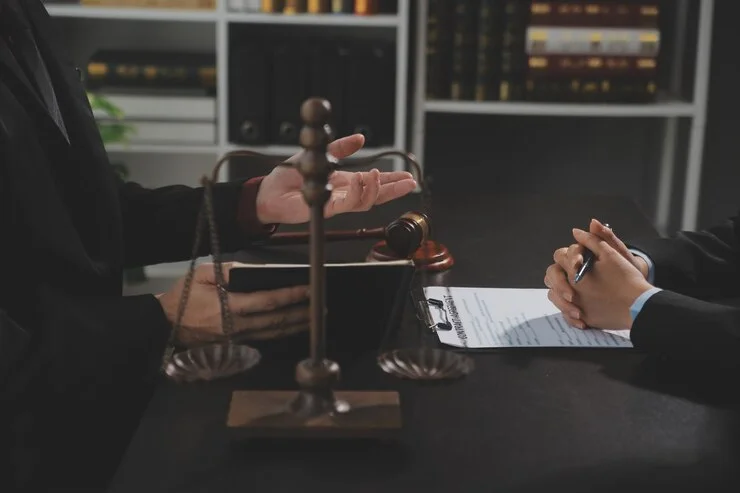
When a corporation faces allegations of misconduct, financial irregularities, or violations of internal policy, the method by which they respond can determine the survival of the organization. Sensitive internal investigations are complex undertakings that require a delicate balance of legal expertise, objective analysis, and strategic discretion. Attorneys are the primary architects of these investigations, ensuring that companies uncover the truth while mitigating legal, financial, and reputational risks.
The Mandate for Independent Counsel
The credibility of any internal investigation rests entirely on its independence. If an investigation is perceived as a cover-up or a biased effort to protect high-level executives, it will fail to satisfy regulators, shareholders, or the board of directors. Experienced attorneys are often brought in from outside the organization to lead these sensitive inquiries.
External counsel provides the necessary distance to investigate potential wrongdoing without the baggage of internal political pressures. They serve the interests of the corporate entity as a whole, rather than the interests of any specific manager or department. By establishing this clear mandate early, attorneys ensure that the findings carry the weight of impartiality. This independence is essential when the investigation involves sensitive topics such as sexual harassment, embezzlement, potential bribery under the Foreign Corrupt Practices Act, or systemic discrimination.
Establishing and Protecting Attorney-Client Privilege
The single most critical function of legal counsel in an internal investigation is the preservation of attorney-client privilege and the work-product doctrine. Without these legal protections, every interview note, draft memo, and email communication could become discoverable in subsequent litigation or regulatory enforcement actions.
To maintain this protection, attorneys implement a structured framework from the very first day. They issue formal engagement letters that explicitly state the purpose of the investigation is to provide legal advice to the corporation. Throughout the process, they ensure that communications are marked as confidential and privileged. Furthermore, attorneys carefully manage the distribution of information, restricting access to sensitive findings to a limited group of stakeholders, such as the audit committee of the board, to prevent the accidental waiver of privilege.
Methodical Evidence Collection and Data Forensics
Internal investigations often involve a massive volume of data. Attorneys work alongside forensic technology specialists to ensure the collection of evidence is systematic, defensible, and comprehensive. This phase is not merely about gathering information but about maintaining a rigorous chain of custody.
Attorneys oversee the following elements during the data collection phase:
-
Identification of key custodians whose data needs to be preserved and analyzed.
-
Implementation of legal holds to prevent the destruction of relevant digital or physical files.
-
Utilization of advanced keyword search parameters and concept-based analytics to identify documents that are actually relevant to the investigation.
-
Review of digital trails, including server logs, building access records, and financial ledger entries.
By managing this process, counsel prevents the accidental loss of evidence while ensuring that the company does not inadvertently disclose irrelevant but potentially damaging information that falls outside the scope of the investigation.
The Art of Conducting Witness Interviews
Witness interviews represent the human heart of an investigation. They are often the most stressful and sensitive aspect of the entire process. Attorneys prepare for these sessions with significant care, understanding that how a witness is treated can have long-term consequences for company culture and potential employment litigation.
Counsel must decide on the appropriate sequence of interviews to prevent the tailoring of testimony. They often conduct initial interviews with lower-level employees to establish a baseline of facts before moving toward senior management. During the interviews, attorneys provide the necessary Upjohn warnings. These warnings are essential to clarify that the attorney represents the company and not the individual employee, and that the company holds the privilege to waive confidentiality over the information provided.
These warnings protect the corporation by ensuring that individual employees understand they cannot unilaterally assert privilege over their conversations. It also helps manage expectations, ensuring that employees know the company may choose to disclose the information to law enforcement if required by law or strategic necessity.
Navigating the Reporting Process
Once the investigation reaches a conclusion, the findings must be presented to the board of directors or the relevant oversight committee. This final report is the culmination of the work and often serves as the basis for major corporate decisions, such as terminating executives, self-reporting findings to regulatory agencies, or overhauling internal compliance programs.
Attorneys draft these reports with precision. They must reconcile the need for full transparency with the legal risks of creating a document that could be damaging if leaked. The report typically includes a detailed account of the methodology, the factual findings supported by evidence, and an analysis of how those facts apply to the law or company policy. Often, counsel will also include recommendations for remedial action. This demonstrates to regulators that the company is taking the matter seriously and is committed to preventing a recurrence.
Strategic Remediation and Disclosure
When an investigation confirms that wrongdoing occurred, the company faces the difficult question of how to address it. Attorneys guide the organization through the consequences of these findings. This might include restructuring a business unit, terminating employees found to have violated policies, or implementing new financial controls.
In cases where the investigation reveals potential legal violations, the company must also navigate the complicated landscape of self-reporting. Attorneys evaluate whether the company is legally obligated to disclose the findings to government agencies. They assess the potential benefits of proactive disclosure, which can sometimes lead to reduced fines or deferred prosecution agreements. This decision requires a sophisticated understanding of the regulatory climate and the specific agency involved.
Frequently Asked Questions
What happens if an employee refuses to cooperate with an internal investigation?
Companies often have policies requiring employee cooperation as a condition of employment. An employee who refuses to cooperate may face disciplinary action, up to and including termination. However, counsel must navigate these situations carefully to ensure that such actions are consistent with employment laws and company policy.
How do attorneys determine who within the company should be interviewed?
The list of interviewees is developed based on the scope of the allegations, initial data reviews, and the reporting hierarchy. Attorneys look for individuals with direct knowledge, those who had oversight responsibility, and those whose digital communications indicate they were involved in the events in question.
Can a company rely on its human resources department to conduct a sensitive investigation?
While HR is equipped for standard personnel issues, sensitive investigations involving senior leadership, financial fraud, or potential legal violations require the expertise of legal counsel. HR often lacks the training to maintain privilege and may be too close to internal reporting lines to provide the necessary independence.
What is the purpose of an Upjohn warning in an investigation?
An Upjohn warning informs an employee that the attorney conducting the interview represents the company and not the employee personally. It makes clear that the company owns the privilege and can choose to share the employee’s statements with third parties, such as regulators, at its discretion.
How long does a typical sensitive internal investigation take to complete?
The duration depends on the complexity of the matter, the volume of data, and the number of witnesses. A straightforward internal issue might be resolved in a few weeks, while large-scale investigations involving international operations or complex financial fraud can take many months or even years.
What should a company do if an investigation identifies systemic failures rather than individual misconduct?
If an investigation uncovers systemic issues, the priority shifts from punishing individuals to organizational remediation. Attorneys will typically work with management to redesign compliance programs, improve reporting structures, and potentially install independent monitors to ensure the new policies are effective and enforced.
How does counsel ensure that the investigation does not trigger further whistleblowing?
While attorneys cannot prevent employees from reporting misconduct, they can manage the process to ensure that the company demonstrates an active and fair response to concerns. By conducting a thorough and honest investigation, the company shows that it is capable of self-correction, which often mitigates the impetus for employees to seek external whistleblowing channels.